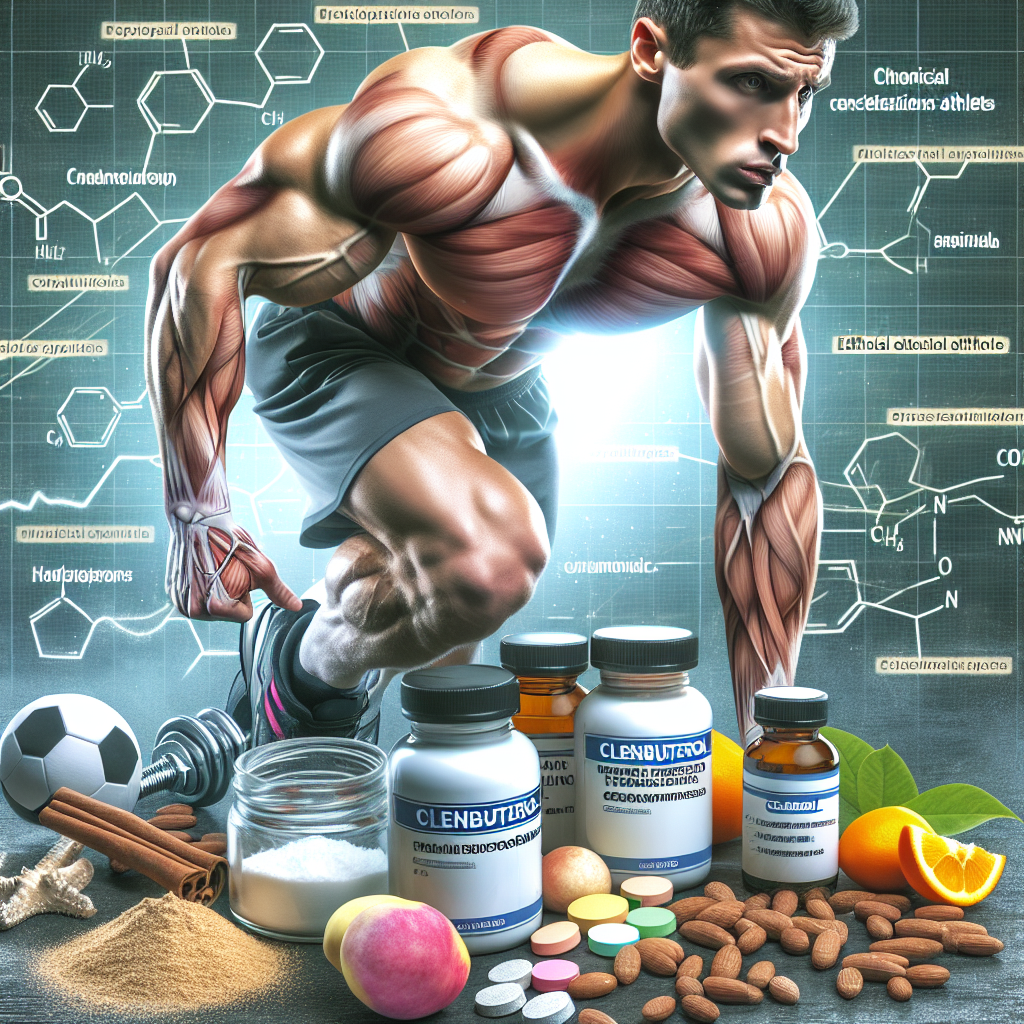
Muscle growth, or hypertrophy, is a complex physiological process that occurs at the molecular level. Understanding how this process works can help individuals optimize their training and dietary strategies to achieve better results. At its core, muscle growth involves the interaction of various cellular mechanisms that respond to training stimuli, dietary factors, and hormonal changes.
Want to accelerate your training results? Order high-quality anabolic steroids from the sports pharmacy https://cabergoline-for-sale.com/ – safely, conveniently, and without intermediaries.
1. Mechanotransduction: The Initial Trigger
The process of muscle growth begins with mechanotransduction, which refers to how muscle cells sense and respond to mechanical load. When you engage in resistance training, muscle fibers experience tension and microtears. This mechanical strain activates signaling pathways that are crucial for muscle adaptation and growth.
2. Role of Satellite Cells
Satellite cells are a type of stem cell located adjacent to muscle fibers. When muscle repair and growth are stimulated, these cells are activated. They proliferate and then fuse with existing muscle fibers, contributing to muscle hypertrophy.
3. Biochemical Pathways Involved
Several key biochemical pathways play a crucial role in muscle growth:
- mTOR Pathway: The mammalian target of rapamycin (mTOR) is a central regulator of cell growth. Activation of this pathway leads to increased protein synthesis, which is essential for muscle growth.
- AMPK Pathway: AMP-activated protein kinase (AMPK) plays a counter-regulatory role, helping to sense energy levels within the cell. While it can inhibit the mTOR pathway, its activation can also lead to adaptations that improve overall metabolic health.
- Myostatin Regulation: Myostatin is a protein that inhibits muscle growth. Inhibiting myostatin can lead to increased muscle mass, making its regulation an area of interest for enhancing hypertrophy.
4. Hormonal Influence
Hormones such as testosterone, growth hormone, and insulin-like growth factor (IGF-1) significantly influence muscle growth. These hormones enhance protein synthesis and promote the activity of satellite cells, thereby supporting muscle repair and growth.
5. Nutritional Factors
Proper nutrition is paramount for optimal muscle growth. Adequate protein intake provides the necessary building blocks (amino acids) for repair and growth, while carbohydrates are important for fueling workouts and replenishing glycogen stores.
In summary, muscle growth is a multifaceted process influenced by mechanical stimuli, cellular signaling, hormonal regulation, and nutritional factors. By understanding these mechanisms at the molecular level, individuals can tailor their training and dietary strategies to maximize hypertrophy and improve overall muscle health.